
Get instant quote

CNC machining service online

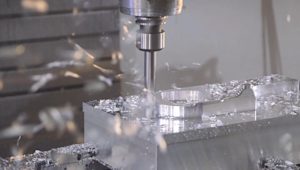
On-demand CNC machining service for rapid prototyping and production parts, through a network of specialized, experienced and thoroughly vetted local and global CNC machine shops.

Get instant CNC machining quote All uploads are secure and confidential

Our CNC machining service capabilities

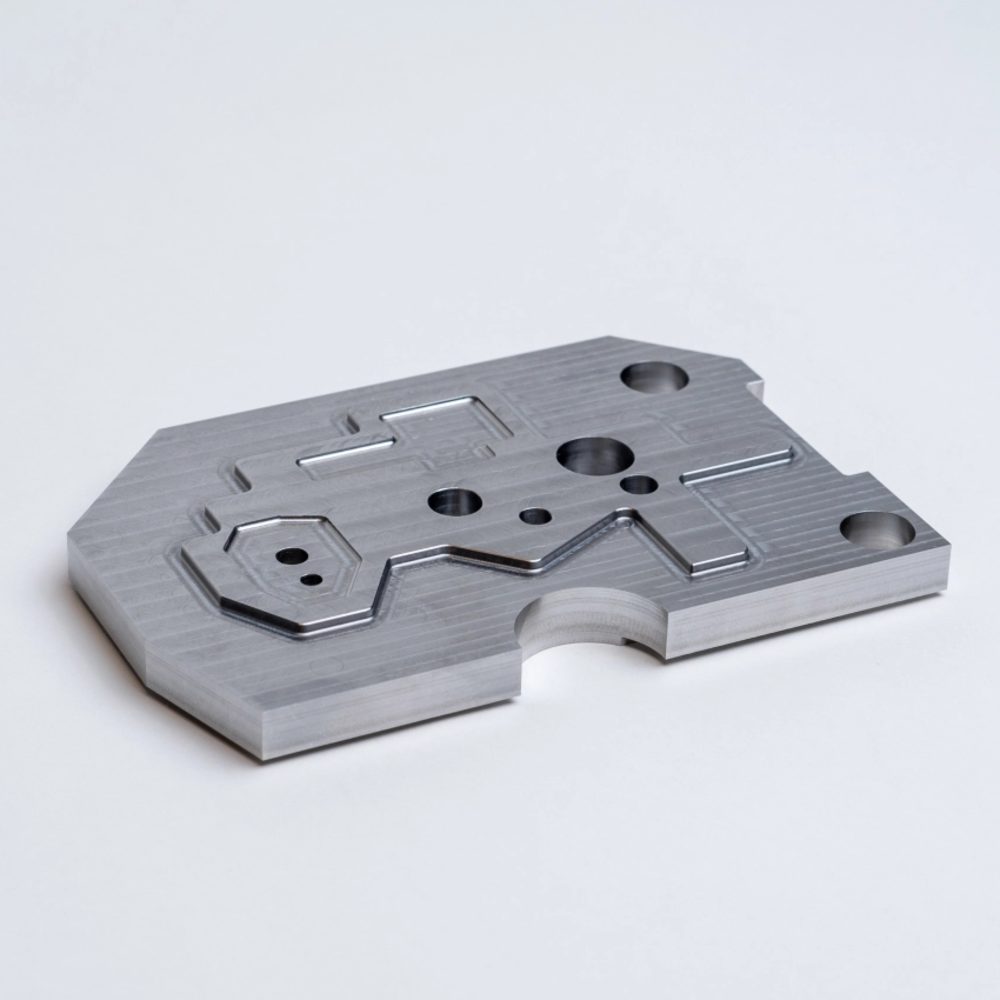
CNC machine all types of parts, from simple “as machined” workholdings to complex geometries. Our manufacturers operate a wide range of CNC mills and turning centres, with EDM and grinding available on request. Protolabs Network (formerly Hubs) now offers 75+ metals and plastics, including 24 new materials such as bronze, Inconel and aluminium alloys, with tolerances down to ±.020 mm (±.001 in) and lead times from 5 business days.

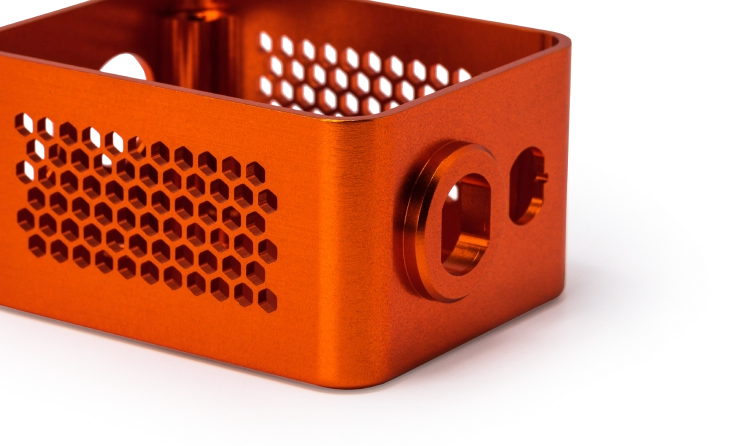
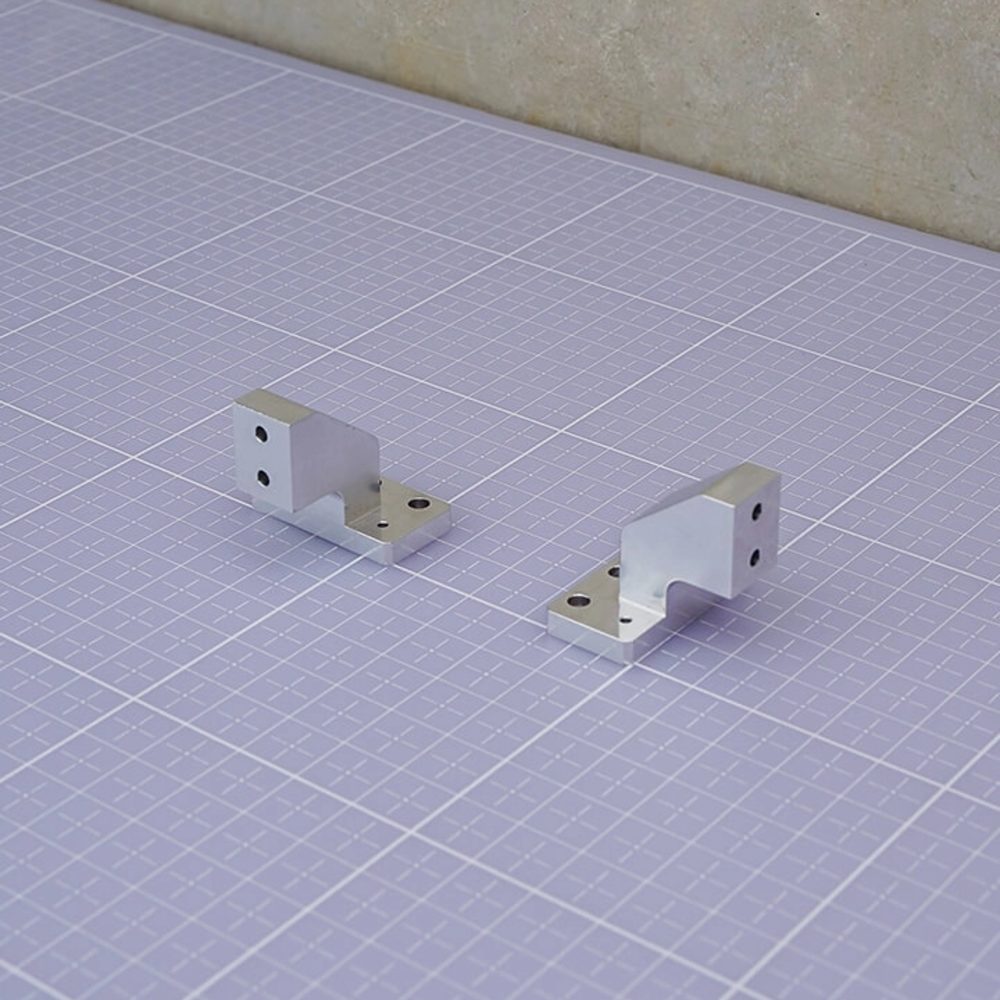
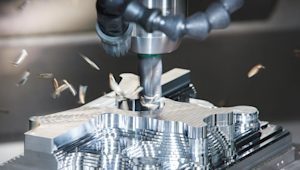
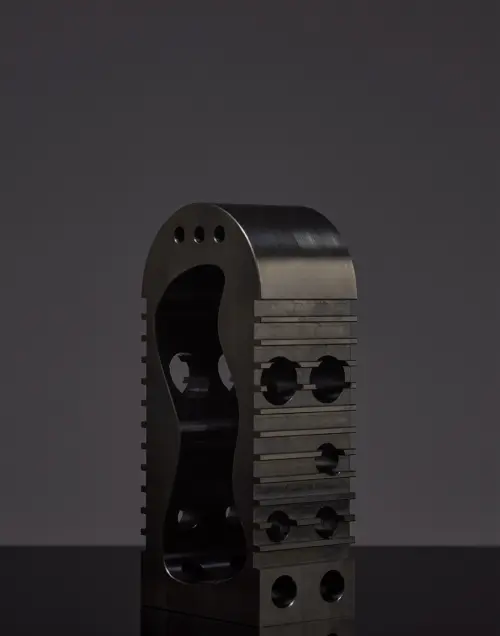
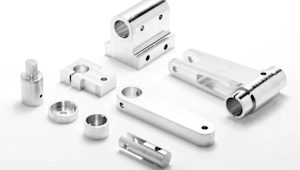
3 & 5 axis CNC milling CNC machined part, CNC milling, anodized surface finish
3 & 5 axis CNC milling

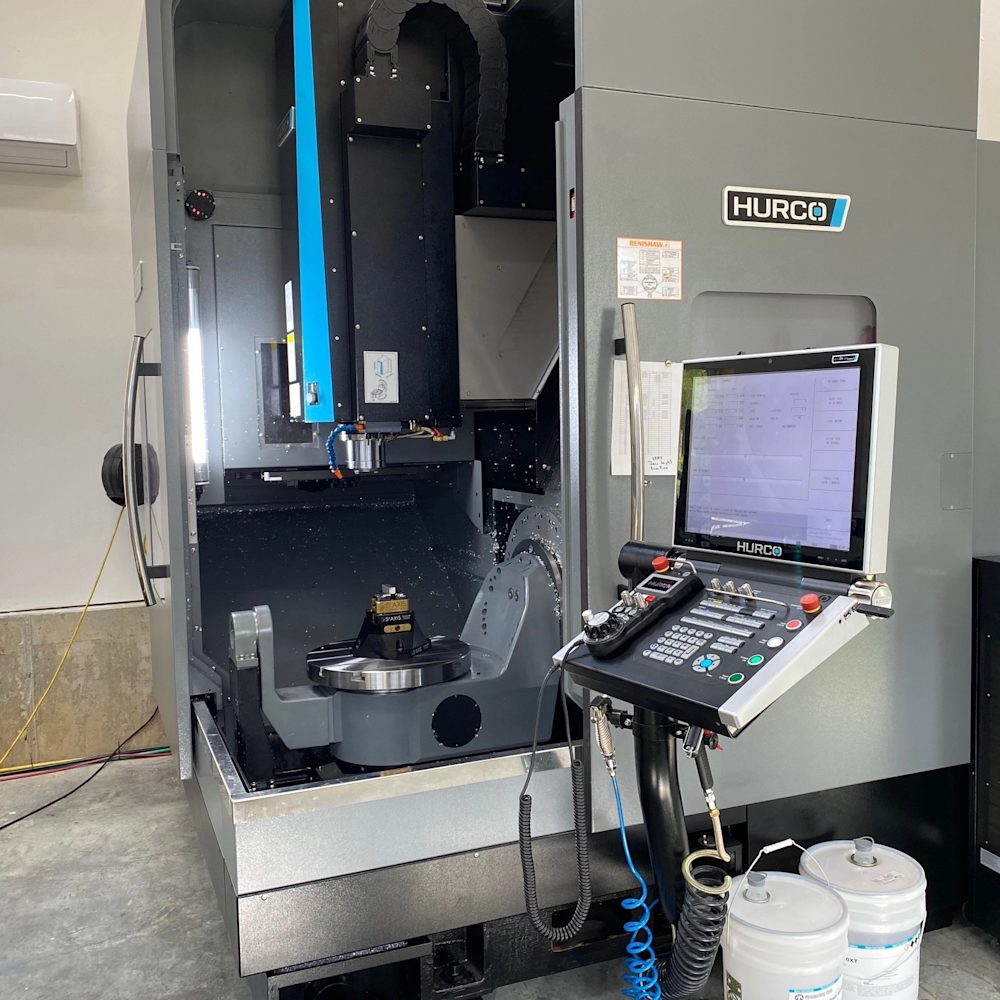
Access over 1,000 milling centers, including standard 3-axis mills, indexed 3+2-axis mills & fully-continuous 5-axis mills

Learn more
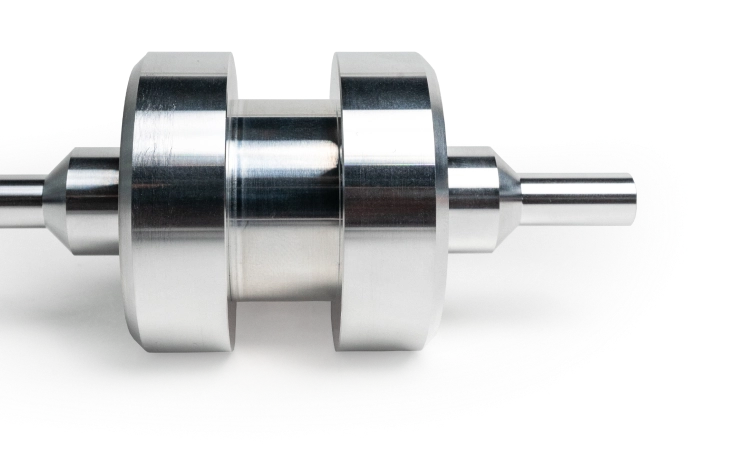
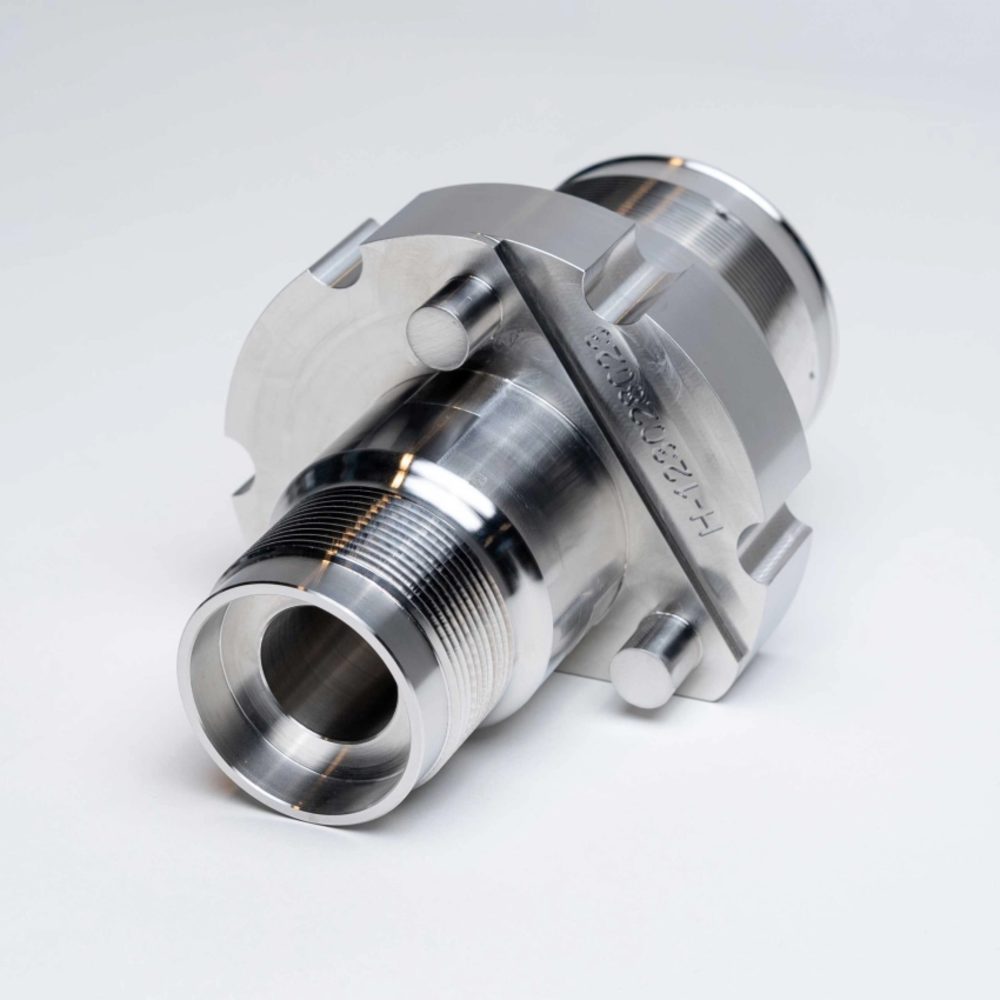
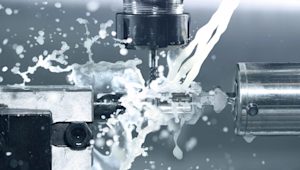
CNC turning CNC machined part, CNC turning, smooth surface finish
CNC turning

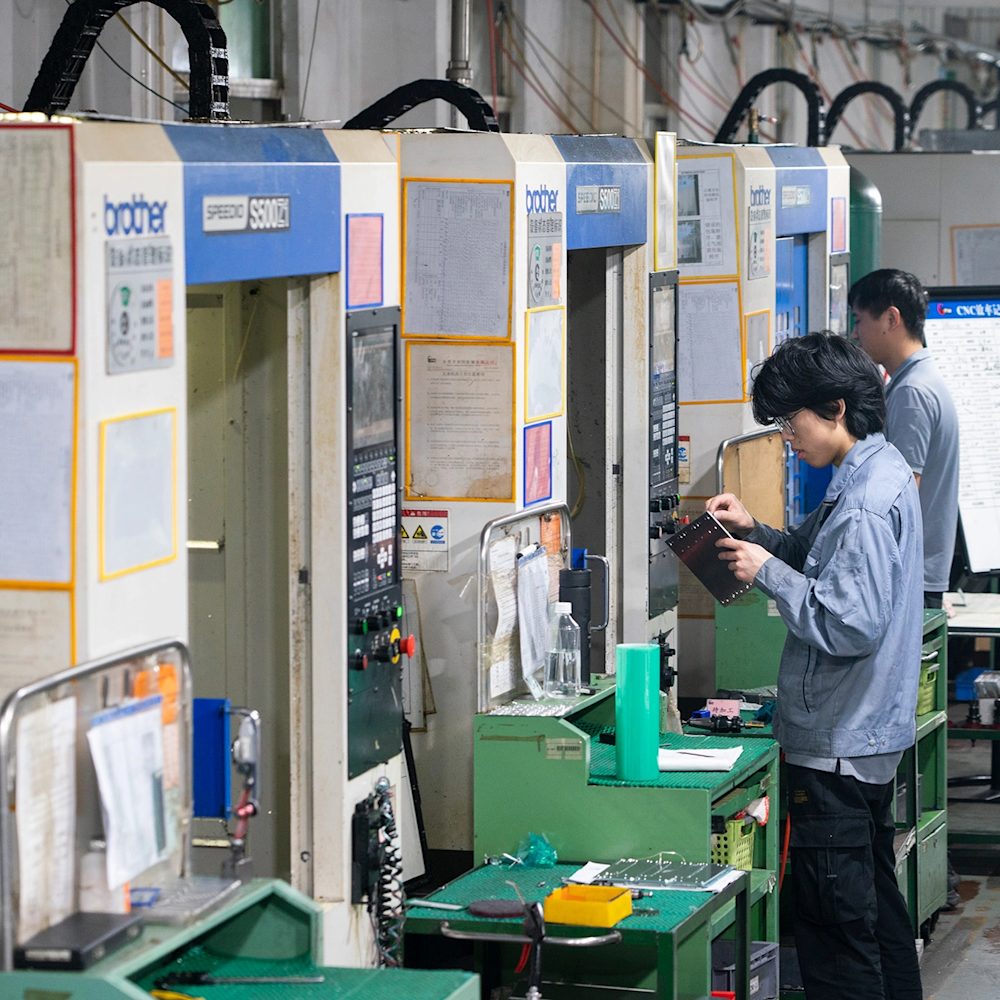
Access over 300 turning centers, including Swiss lathes and multi-axis mill turns.

Learn more

Our ordering process

Upload CAD file
Securely upload your part design to our online quote builder
Confirm specs
Configure your part specifications and select a lead time that suits your schedule
Receive instant quote
Upload your CAD to our 
online quoting platform
Manufacturing
We select the best manufacturer for your order, and production begins immediately
Quality control
We take full responsibility for making sure your parts are manufactured according to our standards
Delivery

Available CNC Machining materials and surface finishes

We offer instant quotes for 75+ metals and plastics, including 24 new materials, as well as a wide variety of post-machining surface finishes.

Metals
Aluminum
Stainless steel
Bronze
Mild steel
Brass
Copper
Alloy steel
Tool steel
Titanium
Inconel
Invar 36
Materials

Aluminum 5251 | EN AW-5251 | 3.3525 | AlMg2Mn0,3 Aluminum 5754 | EN AW-5754 | 3.3535 | AlMg3 EN AW-2007 | 3.1645 Aluminum 7075-T7351 | 3.4365 | 76528 | AlZn5.5MgCu Aluminum 6061-T651 | 3.3211 | 65028 | AlMg1SiCu Aluminum 7075-T651 | 3.4365 | 76528 | AlZn5.5MgCu Aluminum 6082-T651 | 3.2315 | 64430 | AlSi1MgMn Aluminum 6060 | 3.3206 | AlMgSi Aluminum 5052 | EN AW-5052 | 3.3523 | AlMg2,5 Aluminum 2017A | 3.1325 | 24530 | AlCu4MgSi Aluminum 2014 | 3.1255 | 24345 | AlCu4SiMg Aluminum 6063 | EN AW-6063 | 62400| AlMg0,7Si Aluminum 7050 | EN AW-7050 | 3.4144| AlZn6CuMgZr Aluminum 2024-T351 | 3.1355 | 24530 | AlCu4Mg1 Aluminum MIC6 Aluminum 7075-T6 | 3.4365 | 76528 | AlZn5,5MgCu Aluminum 5083-H111 | 3.3547 | 54300| AlMg4.5Mn0.7 Aluminum 6082 | 3.2315 | 64430| AlSi1MgMn Aluminum 6061-T6 | 3.3211| 65028| AlMg1SiCu

Materials

Stainless Steel 420C | 1.4034 | X46Cr13 Stainless Steel 316Ti | 1.4571 | S31635 | X6CrNiMoTi17-12-2 Stainless steel 416 | 1.4005 | X12CrS13 Stainless steel 15-5 | 1.4545 | X5CrNiCu15-5 Stainless steel 301 | 1.4310 | X10CrNi18-8 Stainless steel 430 | 1.4016 | X6Cr17 Stainless steel 440C | 1.4125 | X105CrMo17 Stainless steel 420 | 1.4028 | X30Cr13 Stainless steel 304/304L | 1.4301/1.4307 | X5CrNi18-10/X2CrNi18-9 Stainless steel 2205 Duplex | 1.4462 | 2205 | X2CrNiMoN 22-5-3 Stainless Steel 17-4 PH | 1.4542 | X5CrNiCuNb16-4 - Annealed state Stainless steel 303 | 1.4305 | X8CrNiS18-9 Stainless steel 316/316L | 1.4401/1.4404 | X5CrNiMo17-12-2/X2CrNiMo17-12-2

Materials

Aluminium Bronze 954 | C95400 Bearing Bronze 932 | C93200 | SAE 660 Phosphor Bronze CuSn12 Phosphor Bronze CuSn5 | CW451K Phosphor Bronze CuSn6 | C51900 | CW452K | 2.1020 Phosphor Bronze CuSn8 | C52100 | CW453K | 2.1030

Materials

Carbon Steel C35 | 1.0501 | 1035 Carbon steel C40 | 1.0511 | 1040 | EN8 Mild steel S275JR | 1.0044 | Fe430B | IS2062 Mild Steel S235JR | 1.0038 | Fe 360 B Carbon steel C45 | 1.0503 | 1045 | EN8 Mild steel S355J2 | 1.0577 | 1522H | Fe 510 D Mild steel 1045 | 1.0503 | C45 | EN8 Mild steel A36 | 1.025 | Fe 410 Mild steel 1018 | 1.1147 | C18 |16Mn

Materials

Brass Cz121 | C38500 | 2.0401 | CuZn39Pb3 Brass C360 | 2.0375 | CuZn36Pb3 | 319 grade 2

Materials

Beryllium Copper C17200 | CA172 Copper C101 | CU OFE Copper C110 | CU ETP

Materials

Alloy Steel 1.7227 | 42CrMoS4 Alloy steel 1.7139 | 16MnCrS5 Alloy steel 4130 | 1.7218 | 25CrMo4 Alloy steel 1.6580 | 30CrNiMo8 Alloy steel 1.6582 | 34CrNiMo6 Alloy steel 1.7131 | 16MnCr5 Alloy steel 1215 | EN1A | 1.0715 Alloy steel 4340 | 1.6511 | 36CrNiMo4 | EN24 Alloy steel 4140 | 1.7225 | EN19 | 42CrMo4

Materials

Tool Steel 1.2083 | X40Cr14 - Annealed State Tool Steel P20 | 1.2312 | 40CrMnMoS8-6 - Quench and Tempered Tool Steel O2 | 1.2842 | 90MnCrV8 - Annealed State Tool steel A3 - Annealed state Tool steel H13 | 1.2344 | X40CrMoV5-1 - Annealed state Tool steel S7 | 1.2355 | 50CrMoV13-15 - Annealed state Tool steel O1 | 1.2510 | 100MnCrW4 - Annealed state Tool steel A2 | 1.2363 | X100CrMoV5-1- Annealed state Tool steel D2 | 1.2379 | X153CrMoV12-1 - Annealed state

Materials

Titanium Grade 5 | 3.7164 | Ti6Al4V Titanium Grade 2 | 3.7035 Titanium Grade 1 | 3.7025

Materials

Inconel 625 | N06625 Inconel 718

Materials

Invar 36

Description
Aluminum 5251 | EN AW-5251 | 3.3525 | AlMg2Mn0,3
Aluminum 5251 is a non-heat-treatable Al‑Mg alloy with good corrosion resistance (incl. marine), very good formability, and excellent weldability; moderate strength; compliant with EN AW‑5251.
Learn more
Aluminum 5754 | EN AW-5754 | 3.3535 | AlMg3
Aluminum 5754 is a non-heat-treatable Al‑Mg alloy with excellent corrosion resistance and weldability, good formability, and moderate strength; compliant with EN AW-5754.
Learn more
EN AW-2007 | 3.1645
2000‑series wrought aluminum alloy primarily alloyed with copper and lead, designed for excellent machinability and relatively high mechanical strength.
Learn more
Aluminum 7075-T7351 | 3.4365 | 76528 | AlZn5.5MgCu
Aluminum 7075-T7351 is commonly used in aerospace and defense applications, as well as automotive and transportation, as it is valued for its high strength, excellent machinability and good fatigue resistance. The "T7351" designation indicates that the material has been heat-treated to a specific level of hardness.
Learn more
Aluminum 6061-T651 | 3.3211 | 65028 | AlMg1SiCu
Aluminum 6061-T651 is commonly used in aerospace, automotive and construction industry, as it is valued for its high strength, excellent machinability, and good weldability. The "T651" designation indicates that the material has been heat-treated to a specific level of hardness.
Learn more
Aluminum 7075-T651 | 3.4365 | 76528 | AlZn5.5MgCu
Aluminum 7075-T651(CNC) is an aerospace-grade material with excellent strength-to-weight ratio and strength and hardness comparable to steels. T651 is the temper of Aluminum 7075, and to achieve this temper, the alloy is solution heat-treated, stress relieved, and then artificially aged.
Learn more
Aluminum 6082-T651 | 3.2315 | 64430 | AlSi1MgMn
Aluminum 6082-T651 (CNC) has very similar composition and properties to 6061, with slightly higher tensile strength. Compliant with British Standards.
Learn more
Aluminum 6060 | 3.3206 | AlMgSi
Alloy 6060 offers good strength, relatively good corrosion resistance and is suitable for decorative anodizing.
Learn more
Aluminum 5052 | EN AW-5052 | 3.3523 | AlMg2,5
Aluminum 5052 is a strain hardening aluminum alloy with excellent corrosion resistance. Suitable for marine applications. Can be welded.
Learn more
Aluminum 2017A | 3.1325 | 24530 | AlCu4MgSi
Aluminum 2017 has a higher ductility and formability than Aluminum 2014 and has intermediate strength.
Learn more
Aluminum 2014 | 3.1255 | 24345 | AlCu4SiMg
Aluminum 2014 is easily machined and can be hardened to get strengths comparable to steel, but is prone to corrosion. Suitable for aerospace applications.
Learn more
Aluminum 6063 | EN AW-6063 | 62400| AlMg0,7Si
Aluminum 6063 has good mechanical properties and can be heat treated. Suitable for aerospace applications. Can be welded.
Learn more
Aluminum 7050 | EN AW-7050 | 3.4144| AlZn6CuMgZr
Aluminum 7050 has excellent mechanical properties with good ductility, high strength, toughness and good resistance to fatigue. Suitable for aerospace applications.
Learn more
Aluminum 2024-T351 | 3.1355 | 24530 | AlCu4Mg1
Aluminum 2024 is a high-strength alloy with excellent fatigue resistance. Suitable for aerospace applications.
Learn more
Aluminum MIC6
Aluminum MIC6 is a light weight material that can be easily machined at high speed and is free from tension, contaminants and porosity.
Learn more
Aluminum 7075-T6 | 3.4365 | 76528 | AlZn5,5MgCu
Aluminum 7075-T6 (CNC) is an aerospace-grade material with excellent strength-to-weight ratio and strength and hardness comparable to steels.
Learn more
Aluminum 5083-H111 | 3.3547 | 54300| AlMg4.5Mn0.7
Aluminum 5083 (CNC) is a strain hardening aluminum alloy with excellent corrosion resistance. Suitable for marine applications. Can be welded.
Learn more
Aluminum 6082 | 3.2315 | 64430| AlSi1MgMn
Aluminum 6082 (CNC) has very similar composition and properties to 6061, with slightly higher tensile strength. Compliant with British Standards.
Learn more
Aluminum 6061-T6 | 3.3211| 65028| AlMg1SiCu
Aluminum 6061 (CNC) is the most popular aluminum alloy. It has good strength-to-weight ratio, excellent machinability and natural corrosion resistance.
Learn more
Stainless Steel 420C | 1.4034 | X46Cr13
420C is a high-carbon martensitic stainless steel known for its excellent hardness and wear resistance, making it suitable for applications like cutting tools, surgical instruments, and bearings.
Learn more
Stainless Steel 316Ti | 1.4571 | S31635 | X6CrNiMoTi17-12-2
Stainless Steel 316Ti is a Ti‑stabilized 316 variant with improved resistance to sensitization and high‑temperature service; excellent corrosion resistance in marine/chloride environments; good weldability; moderate machinability; compliant with EN 1.4571/ASTM 316Ti.
Learn more
Stainless steel 416 | 1.4005 | X12CrS13
Stainless steel 416 is magnetic and has a high machinability.
Learn more
Stainless steel 15-5 | 1.4545 | X5CrNiCu15-5
Stainless steel 15-5 has a higher toughness than 17-4, better corrosion resistance and transverse properties compared to other similar martensitic grades.
Learn more
Stainless steel 301 | 1.4310 | X10CrNi18-8
Stainless steel 301 is corrosion resistant similar to Stainless steel 304.
Learn more
Stainless steel 430 | 1.4016 | X6Cr17
Stainless steel 430 is magnetic and corrosion resistant.
Learn more
Stainless steel 440C | 1.4125 | X105CrMo17
Stainless steel 440C has improved toughness and corrosion resistance due to Carbon and Chromium content.
Learn more
Stainless steel 420 | 1.4028 | X30Cr13
Stainless steel 420 provides high strength and corrosion resistance. It is the hardest of all stainless steels when hardened.
Learn more
Stainless steel 304/304L | 1.4301/1.4307 | X5CrNi18-10/X2CrNi18-9
Stainless steel 304L (CNC) has excellent mechanical properties and good machinability. Resistant to most environments and corrosive media.
Learn more
Stainless steel 2205 Duplex | 1.4462 | 2205 | X2CrNiMoN 22-5-3
Stainless steel 2205 Duplex (CNC) is the alloy with the highest strength and hardness. Suitable for applications in severe environments up to 300°C.
Learn more
Stainless Steel 17-4 PH | 1.4542 | X5CrNiCuNb16-4 - Annealed state
Stainless steel 17-4 (CNC) - SAE grade 630 - is a precipitation hardening alloy with good corrosion resistance. Can be hardened up to 44 HRC.
Learn more
Stainless steel 303 | 1.4305 | X8CrNiS18-9
Stainless steel 303 (CNC) has excellent toughness, but lower corrosion resistance than 304. Ideal for high volumes, due to its excellent machinability.
Learn more
Stainless steel 316/316L | 1.4401/1.4404 | X5CrNiMo17-12-2/X2CrNiMo17-12-2
Stainless steel 316L (CNC) has similar mechanical properties to 304, with higher corrosion and chemical resistance. Ideal for marine applications.
Learn more
Aluminium Bronze 954 | C95400
Aluminum bronze alloy known for its high strength and corrosion resistance, making it suitable for marine, aerospace, and industrial applications.
Learn more
Bearing Bronze 932 | C93200 | SAE 660
High-lead tin bronze alloy known for its excellent machinability and good wear resistance, making it ideal for bushings, bearings, and thrust washers.
Learn more
Phosphor Bronze CuSn12
Bronze alloy with approximately 12% tin, known for its excellent wear resistance and corrosion resistance, making it ideal for bearings, bushings, and gears.
Learn more
Phosphor Bronze CuSn5 | CW451K
510 Phosphor Bronze is an alloy known for its excellent corrosion resistance, high fatigue strength, and good electrical conductivity, making it suitable for electrical connectors, springs, and bearings.
Learn more
Phosphor Bronze CuSn6 | C51900 | CW452K | 2.1020
Copper-tin alloy, commonly known as phosphor bronze, which offers excellent corrosion resistance, high fatigue strength, and good wear resistance.
Learn more
Phosphor Bronze CuSn8 | C52100 | CW453K | 2.1030
High-performance bronze alloy, consisting of approximately 92% copper and 8% tin, known for its excellent wear resistance and high strength.
Learn more
Carbon Steel C35 | 1.0501 | 1035
Medium‑carbon steel for shafts and general engineering; can be normalized or quenched and tempered.
Learn more
Carbon steel C40 | 1.0511 | 1040 | EN8
Medium‑carbon steel for higher‑strength shafts, axles, and bolts. Suitable for quenching & tempering.
Learn more
Mild steel S275JR | 1.0044 | Fe430B | IS2062
As a low carbon steel specifications S275 provides low strength with good machinability and is suitable for welding
Learn more
Mild Steel S235JR | 1.0038 | Fe 360 B
S235JR is a hot rolled non-alloy structural steel. It has good plasticity, toughness and weldability, certain strength and good cold bending properties.
Learn more
Carbon steel C45 | 1.0503 | 1045 | EN8
C45 has low thermal conductivity and low ductility among wrought carbon steels.
Learn more
Mild steel S355J2 | 1.0577 | 1522H | Fe 510 D
S355J2 has a high tensile strength. Compared to other carbon steels, it has high electrical conductivity but low thermal conductivity and low ductility.
Learn more
Mild steel 1045 | 1.0503 | C45 | EN8
Mild steel 1045 (CNC) is a medium carbon steel with good weldability and machinability, high strength and good impact resistance. Susceptible to corrosion.
Learn more
Mild steel A36 | 1.025 | Fe 410
Mild steel A36 (CNC) is a common structural steel with good weldability. Suitable for a variety of industrial applications. Susceptible to corrosion.
Learn more
Mild steel 1018 | 1.1147 | C18 |16Mn
Mild steel 1018 (CNC) is a general-use alloy with good machinability, weldability, toughness, strength. Susceptible to corrosion.
Learn more
Brass Cz121 | C38500 | 2.0401 | CuZn39Pb3
Brass Cz121/C360 (CNC) is a highly machinable alloy with good tensile strength and natural corrosion resistance. Ideal for parts that require low friction.
Learn more
Brass C360 | 2.0375 | CuZn36Pb3 | 319 grade 2
Brass C360 (CNC) is highly machinable alloy with good tensile strength and natural corrosion resistance. Ideal for parts that require low friction.
Learn more
Beryllium Copper C17200 | CA172
Precipitation‑hardening beryllium‑copper alloy offering very high strength, good conductivity, and excellent fatigue/wear resistance, commonly used for springs, electrical contacts, and non‑sparking tools. Short safety note: machining can generate toxic beryllium dust — use proper controls.
Learn more
Copper C101 | CU OFE
Copper (C101), 99.99% pure, is a copper alloy with excellent conductivity and high corrosion resistance and toughness.
Learn more
Copper C110 | CU ETP
Copper (C110) is a pure at 99.90% copper alloy, with universal for electrical applications high thermal conductivity and good corrosion resistance.
Learn more
Alloy Steel 1.7227 | 42CrMoS4
Alloy Steel 1.7227 (CNC) offers high strength and toughness after heat treatment with improved machinability. Ideal for heavily loaded parts.
Learn more
Alloy steel 1.7139 | 16MnCrS5
Alloy steel 1.7139 is a resulfurized case-hardening steel with very good machinability. Designed for carburizing to achieve a hard, wear-resistant surface with a tough core.
Learn more
Alloy steel 4130 | 1.7218 | 25CrMo4
Low‑alloy 1.7218 Cr‑Mo steel is suitable for tubes, pressure parts, and Q&T components.
Learn more
Alloy steel 1.6580 | 30CrNiMo8
High‑strength Ni‑Cr‑Mo steel for heavy‑duty shafts/gears. Typically quenched and tempered.
Learn more
Alloy steel 1.6582 | 34CrNiMo6
Widely used Ni‑Cr‑Mo steel with high toughness and fatigue strength.
Learn more
Alloy steel 1.7131 | 16MnCr5
Steel 1.7131 has a high surface hardness and wear resistance with good machinability.
Learn more
Alloy steel 1215 | EN1A | 1.0715
Alloy steel 1215 is a low tensile, low harden-ability carbon steel. Can be machined at higher speeds.
Learn more
Alloy steel 4340 | 1.6511 | 36CrNiMo4 | EN24
Alloy steel 4340 (CNC) can be heat treated to high strength, while maintaining good toughness, wear resistance and fatigue strength. Weldable.
Learn more
Alloy steel 4140 | 1.7225 | EN19 | 42CrMo4
Alloy steel 4140 (CNC) has good overall properties, with good strength and toughness. Suitable for many industrial applications. Not weldable.
Learn more
Tool Steel 1.2083 | X40Cr14 - Annealed State
1.2083 is a high chromium stainless steel known for its excellent corrosion resistance and polishability, making it ideal for plastic mold applications, especially when producing optical components.
Learn more
Tool Steel P20 | 1.2312 | 40CrMnMoS8-6 - Quench and Tempered
P20 tool steel (1.2312, P20): mold steel with sulfur for better machinability; good polishability and stability; common for injection molds; moderate weldability.
Learn more
Tool Steel O2 | 1.2842 | 90MnCrV8 - Annealed State
Oil‑hardening cold‑work tool steel with good wear resistance and dimensional stability.
Learn more
Tool steel A3 - Annealed state
Tool steel A3 is an air-hardened general purpose tool steel with good toughness and excellent dimensional stability. Used for molding dies.
Learn more
Tool steel H13 | 1.2344 | X40CrMoV5-1 - Annealed state
Tool steel H13 has an excellent combination of high toughness and fatigure resistance. It is the most common tool steel used in tooling applications.
Learn more
Tool steel S7 | 1.2355 | 50CrMoV13-15 - Annealed state
Tool steel s7 has very high impact properties. Suitable for tool and die application..
Learn more
Tool steel O1 | 1.2510 | 100MnCrW4 - Annealed state
Tool steel O1 (CNC) is an oil-hardened alloy with a high hardness of 65 HRC. Used for industrial knives and cutting tools.
Learn more
Tool steel A2 | 1.2363 | X100CrMoV5-1- Annealed state
Tool steel A2 (CNC) is an air-hardened general purpose tool steel with good toughness and excellent dimensional stability. Used for molding dies.
Learn more
Tool steel D2 | 1.2379 | X153CrMoV12-1 - Annealed state
Tool steel D2 (CNC) is a wear-resistant alloy that retains its hardness to a temperature of 425 °C. Used for cutting tools and dies.
Learn more
Titanium Grade 5 | 3.7164 | Ti6Al4V
Stronger than Grade 2, equally corrosion-resistant, and excellent bio-compatibility.
Learn more
Titanium Grade 2 | 3.7035
Stronger than Grade 1 and equally corrosion-resistant, excellent bio-compatibility.
Learn more
Titanium Grade 1 | 3.7025
Titanium Grade 1 (CNC) is a commercially pure metal with excellent corrosion and impact resistance and good machinability and weldability.
Learn more
Inconel 625 | N06625
Inconel 625 is a nickel-based superalloy known for its high strength, excellent corrosion resistance, and ability to withstand extreme temperatures, making it ideal for aerospace, marine, and chemical processing applications.
Learn more
Inconel 718
Inconel 718 is a high-strength, corrosion-resistant nickel alloy.
Learn more
Invar 36
INVAR 36 is a nickel alloy with a very low coefficient of thermal expansion.
Learn more
Plastics
POM (Delrin/Acetal)
Nylon
PPSU
ABS
PEEK
PTFE (Teflon)
Polycarbonate
Polyethylene
PVC
PMMA (Acrylic)
PET
Polypropylene
G-10
FR4
PEI
Materials

Acetal Copolymer (POM-C) FDA Acetal Copolymer (POM-C) ESD Acetal Copolymer (POM-C) Acetal Homopolymer (POM-H)

Materials

Nylon 6 Flame Retardant Nylon 6/6 30% Glass Filled Nylon 6 30% Glass Filled Nylon 6

Materials

PPSU | UL94 V-0

Materials

ABS

Materials

PEEK 30% Glass Filled PEEK

Materials

PTFE

Materials

PC

Materials

UHMW-PE HDPE

Materials

Materials

PMMA (Acrylic)

Materials

PET

Materials

PP Homopolymer PP+GF(30%) PP

Materials

Garolite G-10

Materials

FR4

Materials

PEI Ultem 1000 PEI Ultem 2300 30% Glass Filled

Description
Acetal Copolymer (POM-C) FDA
Acetal is an engineering thermoplastic used in precision parts requiring high stiffness, low friction and excellent dimensional stability
Learn more
Acetal Copolymer (POM-C) ESD
Semicrystalline engineering plastic, permanently antistatic for varied applications in electronics, clean rooms and safety areas.
Learn more
Acetal Copolymer (POM-C)
Acetal (POM-C) is the easiest to machine engineering plastic. Ideal for parts with high stiffness, low friction and very low water absorption.
Learn more
Acetal Homopolymer (POM-H)
Delrin (POM-H) is the easiest to machine engineering plastic. Ideal for parts with high stiffness, low friction and very low water absorption.
Learn more
Nylon 6 Flame Retardant
PA 6 FR possesses a high degree of stiffness, tensile strength as well as good sliding and wear properties with simultaneously outstanding corrosion and chemical resistance.
Learn more
Nylon 6/6 30% Glass Filled
This grade has been re-enforced with glass fibres - and the composite inherits good strength, hardness and abrasion resistance from the 30% glass filler, and tough and lightweight properties of the plastic.
Learn more
Nylon 6 30% Glass Filled
Glass-reinforced nylon has higher tensile strength than un-reinforced nylon while still benifitting from its flexibility. Very tough.
Learn more
Nylon 6
Nylon 6 (CNC) - PA 6 - has excellent mechanical properties, with high toughness and hardness. Susceptible to moisture absorption.
Learn more
PPSU | UL94 V-0
PPSU offers hydrolytic stability, toughness and superior impact strength over a wide temperature range.
Learn more
ABS
ABS (CNC) has good mechanical properties and excellent impact resistance. It is commonly used to prototype parts prior to injection-molding.
Learn more
PEEK 30% Glass Filled
High‑temperature, chemical‑resistant thermoplastic. Glass fiber raises stiffness and heat deflection.
Learn more
PEEK
PEEK (CNC) is an engineering thermoplastic with excellent mechanical and thermal properties. Can be used to replace metal parts. Biocompatible.
Learn more
PTFE
Teflon (CNC) - PTFE - has excellent thermal and chemical resistance and outstanding frictional and electrical properties.
Learn more
PC
Polycarbonate (CNC) has excellent impact strength and good temperature resistance. Suitable for outdoor applications. Can be colored or semi-transparent.
Learn more
UHMW-PE
High density polyethylene is very tough due to its long chain structure and has the highest impact strength of any thermoplastic.
Learn more
HDPE
HDPE (CNC) is a lightweight and strong thermoplastic, suitable for outdoor applciations. Commonly used for prototypes before Injection Molding.
Learn more
PMMA (Acrylic)
PMMA is a translucent rigid plastic, often used as a substitute for glass and when high transparency is needed, a high polishing process can be done to achieve this.
Learn more
PET
PET is a tough plastic that offers excellent wear resistance and mechanical strength.
Learn more
PP Homopolymer
PP-H offers a high strength to weight ratio and is stiffer and stronger than copolymer, this combined with good chemical resistance and weldability allows this material to be used in many corrosion resistant structures.
Learn more
PP+GF(30%)
Reinforced polypropylene with glass fiber for improved tensile strength.
Learn more
PP
Polyproplene has similar properties to polyethylene but is harder and more heat resistant.
Learn more
Garolite G-10
Garolite G-10 is a high pressure fiberglass laminate known for its high strength, low moisture absorption, and high electrical insulation.
Learn more
FR4
FR4 is a class of glass fiber epoxy laminate that is flame retardant.
Learn more
PEI Ultem 1000
High performance engineering thermoplastic polymer, with excellent durability, strength, stiffness and heat resistance (UL94-V0).
Learn more
PEI Ultem 2300 30% Glass Filled
30% glass fibre reinforced amorphous engineering thermoplastic, with very high rigidity and strength for demanding applications
Learn more
Finishes
Anodized type III (Hardcoat) Non cosmetic
As machined + Anodized type II Non cosmetic
As machined + Anodized type III (Hardcoat) Non cosmetic
Bead blasted Cosmetic on request
Bead Blasted + Anodized type II (Glossy) Cosmetic on request
Bead blasted + Anodized type II (Matte) Cosmetic on request
Bead Blasted + Anodized type III (Hardcoat) Cosmetic on request
Bead Blasted + Chromate Conversion Coating Cosmetic on request
Black oxide Non cosmetic
Brushed + Anodized type II (Glossy) Cosmetic on request
Chromate Conversion Coating Non cosmetic
Electroless Nickel Plating Non cosmetic
Powder coated Non cosmetic
Description
Anodized type III (Hardcoat)
Parts are cut and an anodizing type III coating is directly applied to the surface. Ideal to improve corrosion and wear resistance of components.
As machined + Anodized type II
Parts are anodized (type II) directly after machining. The most cost-effective anodizing option; ideal for non-cosmetic, functional parts. Used to improve wear and corrosion resistance.
Learn more
As machined + Anodized type III (Hardcoat)
Parts are machined and an anodizing type III coating is directly applied to the surface. Ideal to improve corrosion and wear resistance of components.
Learn more
Bead blasted
Parts are bead blasted with glass beads which results in a grainy texture and reduced machining marks.
Learn more
Bead Blasted + Anodized type II (Glossy)
Parts are bead blasted, anodized type II and bright dipped. Results in glossy color. Ideal for cosmetic parts needing an increase in corrosion resistance.
Learn more
Bead blasted + Anodized type II (Matte)
Parts are bead blasted and anodized type II. Ideal for increasing the corrosion resistance of the part. Results in naturally matte colors. For glossy colors, please select the bead blasted + glossy anodizing option.
Learn more
Bead Blasted + Anodized type III (Hardcoat)
Parts are bead blasted (grit #120) and anodized type III. Ideal to improve corrosion and wear resistance of components. Results in naturally matte colors. Colors available are black and clear.
Bead Blasted + Chromate Conversion Coating
Parts are bead blasted (grit #120) and a chromate conversion coating is applied. Ideal to increase the corrosion resistance of the part while maintaining its conductive properties. RoHS compliant.
Black oxide
Applicable on steels, black oxide is a conversion coating used to improve corrosion resistance and minimize light reflection.
Brushed + Anodized type II (Glossy)
Parts are manually brushed with fine sandpaper to attenuate the machining marks and then anodized. Ideal for increasing the corrosion resistance of the part. Typically results in a glossy aspect.
Learn more
Chromate Conversion Coating
Parts are machined and a chromate conversion coating is applied. Ideal to increase the corrosion resistance of the part while maintaining its conductive properties. RoHS compliant.
Learn more
Electroless Nickel Plating
Parts are machined to Ra1.6µm and electroless nickel plated. Ideal for wear abrasion and corrosion resistance, not for cosmetic purposes.
Learn more
Powder coated
Powder coating is a strong, wear-resistant finish that is compatible with all metal materials.
Learn more
Roughness
As machined (Ra 3.2μm / Ra 126μin) Non cosmetic
Brushed (Ra 1.2μm / Ra 47μin) Cosmetic on request
Fine machining (Ra 0.8μm / Ra 32μin) Non cosmetic
Polishing (Ra 0.8μm / Ra 32μin) Cosmetic
Smooth machining (Ra 1.6μm / Ra 63μin) Non cosmetic
Description
As machined (Ra 3.2μm / Ra 126μin)
This is our standard finish. Parts are machined and deburred, sharp edges are chamfered.
Learn more
Brushed (Ra 1.2μm / Ra 47μin)
Parts are brushed manually with #400 - 600 grit sandpaper in order to reduce machining marks. Ideal to slightly reduce the roughness of the finish.
Learn more
Fine machining (Ra 0.8μm / Ra 32μin)
Finer-looking machining obtained either through higher-precision machines, lower feeds, sharper tools, or a combination of all the above. Machining marks are less evident.
Learn more
Polishing (Ra 0.8μm / Ra 32μin)
Parts are manually polished in multiple directions. Surface is smooth and slightly reflective.
Learn more
Smooth machining (Ra 1.6μm / Ra 63μin)
Smooth machining is like an ‘As machined’ finish but with slightly less evident machine marks. Parts are machined at a lower feed, no hand polishing is applied.
Learn more
We can source any other material on request, but quotes take up to 48 hours.

Tolerances and dimensions

Maximum part size

Process Maximum size (L × W × H)
3-axis CNC milling (soft metals) 2000 × 1500 × 200 mm
3-axis CNC milling (hard metals) 1200 × 800 × 500 mm
5-axis CNC milling 2000 × 1500 × 200 mm
CNC turning (lathe) Ø431 × 990 mm

Tolerances

We can meet standard ISO tolerance requirements, with tighter tolerances available upon request, and manufacture parts in compliance with recognized industry standards, including:

  • Aerospace: ISO 1101, AS9100

  • Automotive: ISO 16792

  • Medical: ISO 13485


Consistent quality, every time with our CNC machining service

Protolabs Network guarantees the quality of every part we manufacture. Along with thoroughly vetting the manufacturing partners we work with, every order is dimensionally and visually inspected according to The Protolabs Network Standard. Globally manufactured orders also undergo a second inspection at our cross-docks in Amsterdam and Chicago when necessary.

Instant pricing Instant quote icon
Instant pricing

Get instant quotes with all pricing information upfront

Learn more
The Protolabs Network Standard Dimensions icon
The Protolabs Network Standard

We use a rigorous set of protocols and procedures to maintain quality

Learn more
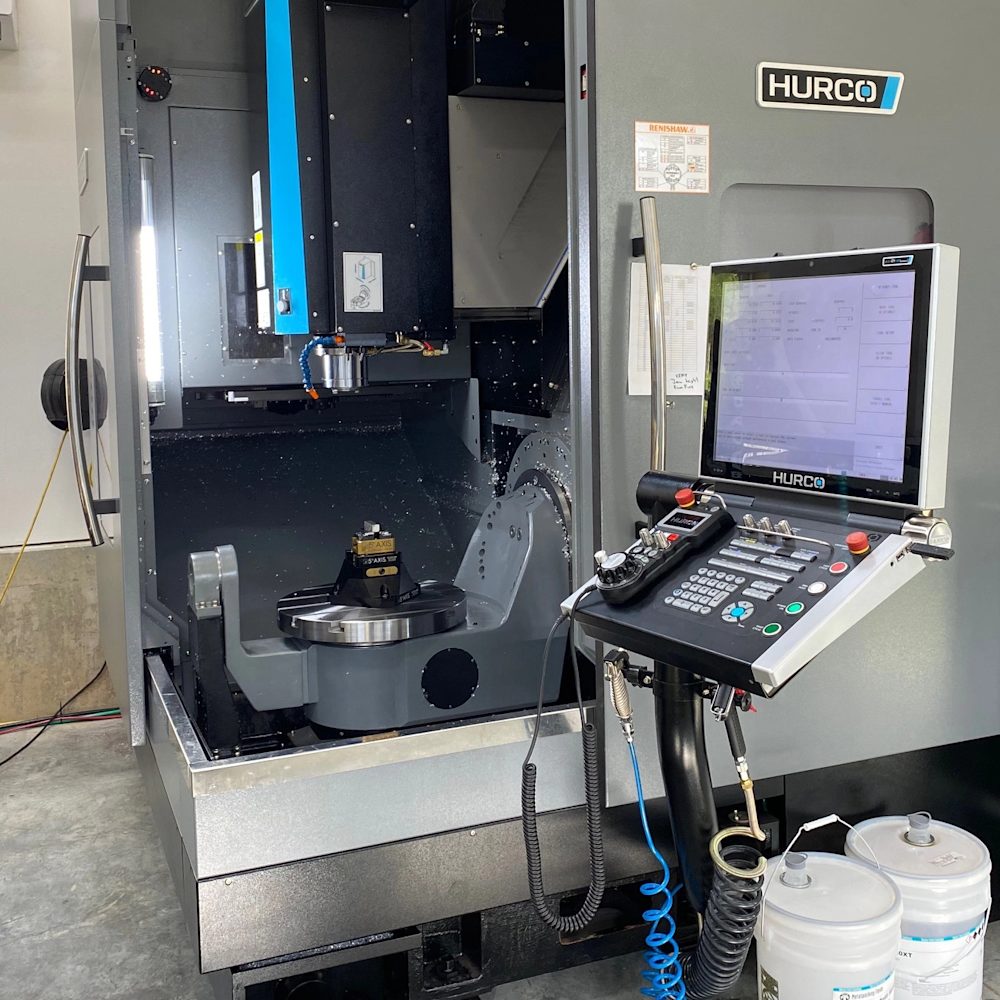
Specialized network Network illustration
Specialized network

Get access to cutting-edge capabilities and limitless capacity

Learn more

Manufactured through Protolabs Network

Full-scale production manufacturing  

Get complete program management from our team of experts to optimize cost, quantity, and quality control of production orders for end-use parts. Find out about manufacturing higher volumes at reduced part costs, our commitment to quality and expanded capabilities to support with scaling to production.  

Explore production
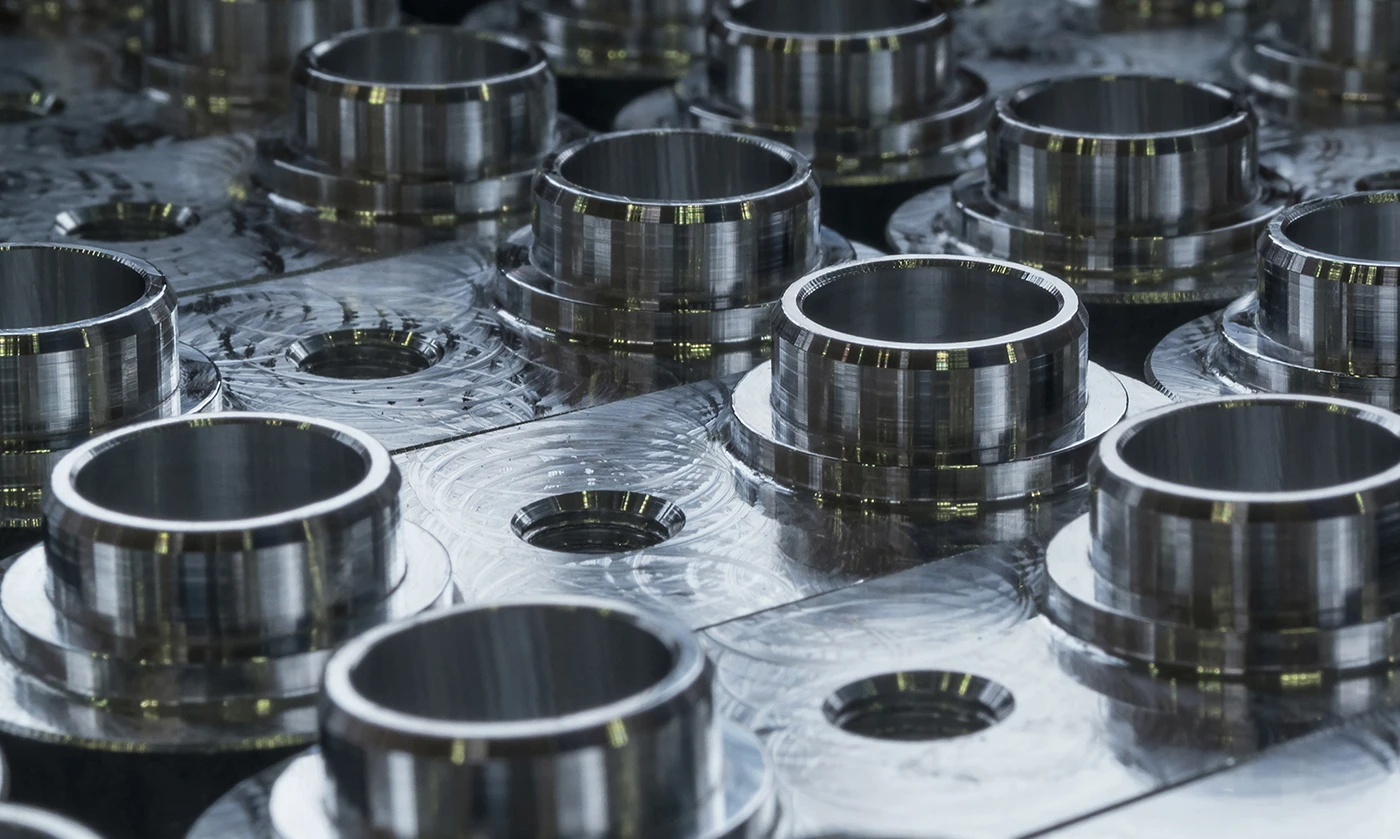
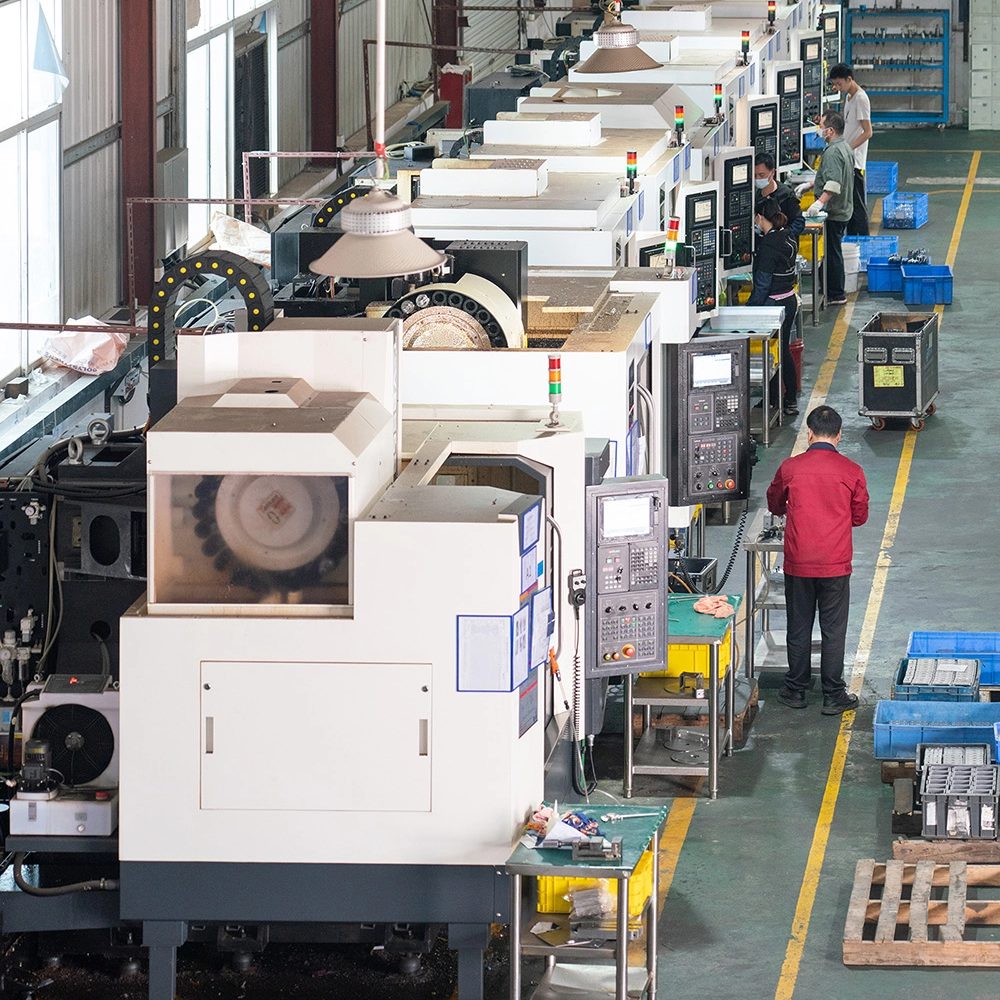
Our distributed network of CNC machine shops

We offer you the capacity and capabilities of dozens of local and global machine shops, with the ease of dealing with one. You get the experience and specialization of all our partner shops, we handle all the communications, delivery, quality control and customs.

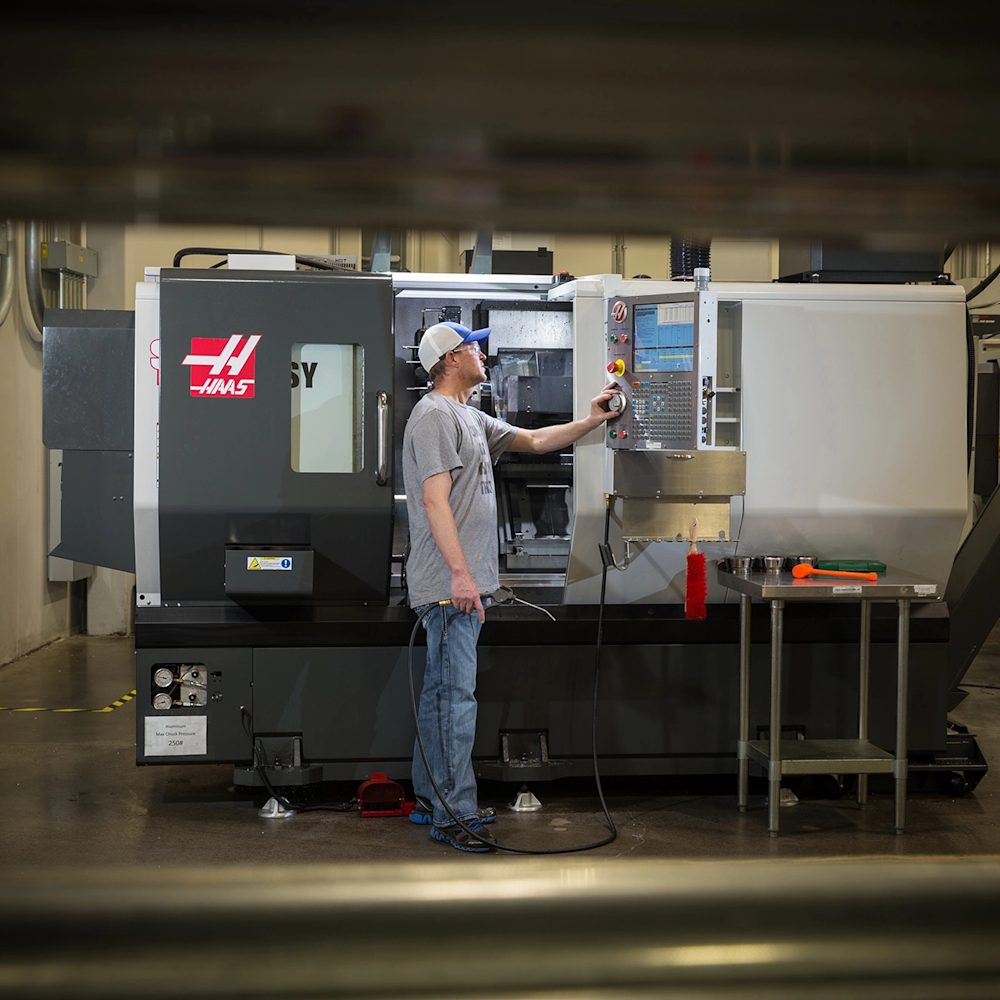
Specialist industries

We’ve manufactured millions of parts for all sorts of applications, but we’re especially knowledgeable in these areas.

Aerospace & aviation

Aerodynamic parts for aircraft, drones, satellites and rockets with AS 9100 certification.

Read more

Medical Image representing medical industry
Medical

Create custom medical devices and diagnostic equipment to get healthcare innovations into hospitals and homes.

Read more

Automotive
Automotive

Fast-tracked development for electric vehicles and other automotive innovations.

Read more

Robotics & automation Image representing robotics industry
Robotics & automation

Produce complex robotic systems, end effectors and automated machinery for this innovative industry.

Read more

Why choose Protolabs CNC machining

We use automation to make custom machining easier, faster and more affordable than traditional machine shops:

  • We have an incredibly broad range of capabilities - much more than most individual shops.

  • Our quotes are generated instantly - request as many quotes as you like without feeling guilty.

  • No limits on order size - we can scale with you from one-off prototypes to millions of production parts.

  • We leverage market forces within our network to guarantee competitive pricing on every order.

We machine rapid prototypes and low-volume production orders for customers in multiple industries: aerospace, automotive, defense, electronics, hardware startups, industrial automation, machinery, manufacturing, medical devices, oil & gas and robotics.

Hone Shaving: Manufacturing High-quality Shaving Products

Watch how the founder of Hone Shaving, Andrew Mitchell, tells the story of how he created his unique and high-quality razors with the help of Protolabs Network.

Watch it here

FAQ's about CNC machining service

What tolerance standards do you guarantee?

We guarantee that our manufacturing partners follow ISO 2768 standards for all CNC machined parts. Parts machined with metal will follow ISO 2768-m (medium) or ISO 2768-f (fine). Parts machined with plastics will follow 2768-m (medium). Geometric tolerances down to ± 0004 in. (0.010 mm) are possible but must be clearly indicated in technical drawings. We can achieve tighter tolerances on shafts with up to H7 fits with manual quoting and on occasion tighter.

Read more about our standards for tolerances here


What are the minimum and maximum dimensions you can machine?

At Protolabs Network we offer CNC milling (​​3-axis, 3+2-axis and 5-axis) and turning. Milled parts can be machined up to 2000 x 1500 x 200 mm (78.7 x 59.0 x 7.8 in.) for 3/3+2 axis CNC milling. For 5-axis milling, the maximum part size is 650 x 650 x 300 mm (25.5 x 25.5 x 11.8 in.). The maximum diameter for CNC turning is 431mm (17 in.), length 990 mm (39 in). Minimum part dimensions recommended are around 0.39 x 0.39 x 0.39 in. (10 x 10 x 10mm).The minimum for feature dimensions is 0.5 mm. 

We are limited to a 1000 mm (39 in.) maximum size for parts on our platform. If you need higher dimensions, you can place the request through your account manager.

What cosmetic standards do you guarantee?

Deburring and edge breaking are standard procedures for all CNC machined parts. If there are any critical edges that should be left sharp, they must be clearly indicated in technical drawings. Surfaces will be free of defects such as scratches, dents, stains, blemishes, hanging marks, minor defects. Surfaces indicated as critical (primary (a) side, as indicated on the technical drawing) will be free of mill steps and other marks. For the secondary (b) side, minor hanging marks and up to 2 minor defects are acceptable. A number of post-processing and finishing methods can be applied to improve the surface roughness, visual properties and wear resistance of machined parts.

Read more about surface finishes for CNC machining. 

How much does your CNC machining service cost?

We use machine learning algorithms to calculate the exact cost of any machinable part directly from a CAD file, based on millions of CNC machining orders we’ve previously processed. No more waiting for technicians to get back to you via email, we can generate an exact quote for you instantly (well, in about 5 seconds).

This means you always know the price up front. Simply upload a CAD file to generate a quote: get an instant CNC machining quote. Our quotes are completely free, you only need to create an account so we can protect your IP.

It’s so easy to use that we encourage mechanical engineers to use it constantly as they optimize their designs for cost. Whenever you’ve made a new design iteration, simply load both the old and the new design into our quoting tool and see if the price is different.

This technology means our manufacturing partners also don’t need to do their own machining quotes, which means less overhead for them. This makes the whole process less expensive, which translates into lower prices for our customers.

How can I reduce the cost of my machined parts?

The main costs associated with CNC machining can be grouped into machining time, start-up costs, material costs, and feature costs. To reduce costs you need to understand the impact of these factors on cost.

The best way to reduce machining time is to design features that can be machined quickly, for example by choosing the correct radii for internal corners, reducing cavity depth, increasing wall thicknesses, limiting thread length and designing holes with standard sizes.

Material costs can be reduced by considering the size of the blank required, and the cost and machinability of the bulk material (softer alloys are faster to machine).

Start-up costs can be reduced by reducing the number part rotations or repositioning required to finish the part, for example by separating geometries into multiple parts that can be assembled later.

Feature costs can be reduced by only using tolerances when strictly necessary, removing all text & lettering, and avoiding multiple surface finishes.

These tips can be read in more detail in our full guide to reducing the cost of CNC machined parts.

How do you select the exact manufacturer for my parts?

We use algorithms to identify the best manufacturer in our network for your specific order, based on their proximity to you, their experience with similar parts and their available capacity right now. This allows us to balance our customers’ demands for speed, cost and quality better than ever before.

Read more about our network of manufacturers here

Where can I learn more about CNC machining?

Protolabs Network was started by mechanical engineers and we have many more engineers and technicians in our team. Together we’ve written a lot of content on CNC machining over the years. You can find a selection of resources below, or you can head to our knowledge hub and filter on CNC machining to read case studies, in-depth design guidelines and explanations of different surface finishes.

We’ve also written a complete engineering guide to CNC machining. Here you can learn about how the many different kinds of mills and lathes work and the different materials available, so you can easily compare their benefits & limitations. You’ll also learn the basic design rules for machining and the most common applications of each material and surface finish, so you can make the right choices every time.

Should I choose local or global manufacturing?

Customers in the US and EU can choose local or global manufacturing for CNC machined parts. Local orders are manufactured within your customs-clearance zones, allowing for shorter lead times (from 5 days) and faster delivery as there’s no need for shipments to clear customs. Global orders generally result in longer lead times at a lower price. The best option depends on the timeline and requirements of your project.

How does Protolabs Network's custom CNC machining service work?

Using CAD (computer-aided design) modeling software and G-code, CNC milling and CNC turning machines remove material from a solid workpiece with precision and speed. CNC machines manufacture parts with tight tolerances and a range of impressive mechanical and chemical properties. Our custom CNC machining service is ideal for one-off jobs and low-to-medium volume production, thanks to automation and high repeatability.

How do you start CNC machining parts with Protolabs Network?

Our global network of CNC machining centers manufacture custom parts for applications ranging from rapid prototyping to serial production. To start sourcing CNC-machined parts, simply upload a CAD file and technical drawing to our online Quote Builder. You’ll either receive an instant CNC quote and be able to start production in only a few clicks, or you’ll be directed to one of our engineers for design for manufacturability (DFM) guidance.

What materials are available for CNC machining?

We offer 75+ metals and plastics for CNC machining, including aluminium, stainless steel, carbon and alloy steels, copper alloys, and engineering plastics. Our range has recently expanded with 24 new materials, including:

Phosphor bronze (CuSn5, CuSn6, CuSn8, CuSn12)

Inconel 625

Aluminium alloys (e.g. 5251, 5754, 2007)

Tool steels and high-performance alloys

This expanded portfolio gives you more flexibility when selecting the right material for your application.

What are the most commonly used CNC materials?

Common CNC materials include:

Aluminium (lightweight, corrosion-resistant and versatile)

Steels (carbon, alloy, stainless: for strength and durability)

Copper alloys (including bronze, for wear resistance and conductivity)

Engineering plastics (e.g. PEEK for high-performance applications)

With our expanded offering, you have access to an even broader selection of industry-standard materials in one place.

Do you offer high-performance or specialty materials?

Yes. We offer a range of high-performance materials, including:

Inconel 625 for high-temperature and corrosion-resistant applications

PEEK (including glass-filled PEEK) for demanding mechanical environments

Advanced tool steels and alloy steels

These materials are ideal for industries such as aerospace, automotive and industrial equipment.

Is bronze available for CNC machining?

Yes, bronze is now available as part of our expanded CNC material range.

We offer phosphor bronze alloys (CuSn5, CuSn6, CuSn8, CuSn12), which are ideal for components requiring:

High wear resistance

Low friction

Strong corrosion resistance

Typical applications include bearings, bushings and electrical components.

How do I choose the right material for my CNC part?

Material selection depends on factors including:

Mechanical properties (strength, hardness and wear resistance)

Environmental conditions (temperature and corrosion)

Weight and cost requirements

Our platform provides instant quoting and DFM feedback, and our team can offer guidance regarding the best material for your application.
CNC machining resources for engineers

CNC 101 - hero image 3

CNC machining design guide | Protolabs Network (formerly Hubs)

Read article
Introduction to CNC machining

What is CNC machining?

Read article
How to design parts for CNC machining

How to design parts for CNC machining

Read article
Minimizing the cost of CNC parts (13 proven design tips)

14 proven design tips to reduce the cost of CNC machining

Read article
How to prepare a technical drawing for CNC machining

How to prepare a technical drawing for CNC machining

Read article
Selecting the right CNC material

How do you select the right materials for CNC machining?

Read article
Surface Finishes for CNC Machinining

What are the types of surface finishes for CNC machining?

Read article
Heat treatments for CNC machined parts

What is heat treatment and how does it improve CNC-machined parts?

Read article
3D Printing vs. CNC machining

3D printing vs. CNC machining: Which is better for prototyping and end-use parts?

Read article
CNC 101 - hero image 3

CNC machining design guide | Protolabs Network (formerly Hubs)

Learn about how the many different kinds of CNC machines work, the materials available, the benefits & limitations, basic design rules and the most common applications.

Read article
Introduction to CNC machining

What is CNC machining?

What is CNC machining and how does it work? This overview explains the basic principles and fundamental mechanics, along with the key benefits and limitations, of this subtractive manufacturing process.

Read article
How to design parts for CNC machining

How to design parts for CNC machining

In this complete guide to designing for CNC machining, we've compiled basic & advanced design practices and tips to help you achieve the best results for your custom parts.

Read article
Minimizing the cost of CNC parts (13 proven design tips)

14 proven design tips to reduce the cost of CNC machining

Optimize your part design and material selection to get the most from CNC machining. Read these 14 CNC machining design tips to reduce costs and deliver parts that meet engineering requirements.

Read article
How to prepare a technical drawing for CNC machining

How to prepare a technical drawing for CNC machining

How do you prepare technical drawings for CNC machining and why are they important? Technical drawings are standard documents used in manufacturing to communicate technical requirements between the designer, engineering team, and the manufacturer. Clear drawings reduce ambiguity, speed up production, and help ensure parts are produced to the required specifications.

Read article
Selecting the right CNC material

How do you select the right materials for CNC machining?

This comprehensive guide compares the 25 most common materials used in CNC machining and helps you choose the right one for your application.

Read article
Surface Finishes for CNC Machinining

What are the types of surface finishes for CNC machining?

What surface finishes are available for CNC machining? Post-processing and surface finishes improve surface roughness, visual appearance, and wear resistance of metal parts. This guide covers the most common surface finishes for CNC-machined metal parts and how to choose the right one for engineered components.

Read article
Heat treatments for CNC machined parts

What is heat treatment and how does it improve CNC-machined parts?

What are the different types of heat treatment and how do they affect CNC-machined parts? This article explores how heat treatments can be applied to many metal alloys to drastically improve key physical properties like hardness, strength and machinability.

Read article
3D Printing vs. CNC machining

3D printing vs. CNC machining: Which is better for prototyping and end-use parts?

When it comes to custom part production, choosing between 3D printing and CNC machining can be challenging. This guide breaks down the key differences between these popular manufacturing technologies, helping you decide which is best suited for prototyping, low-volume production, or functional end-use parts.

Read article
Show more

Show less

Our other manufacturing capabilities

3D printing Other manufacturing capabilities
3D printing

FDM, SLA, SLS, MJF

  • 25+ plastics & 35+ colors

  • ±0.5% dimensional accuracy with a lower limit down to ±0.0059 in (0.15 mm)

  • Lead times from 1 business day

See our 3D printing services
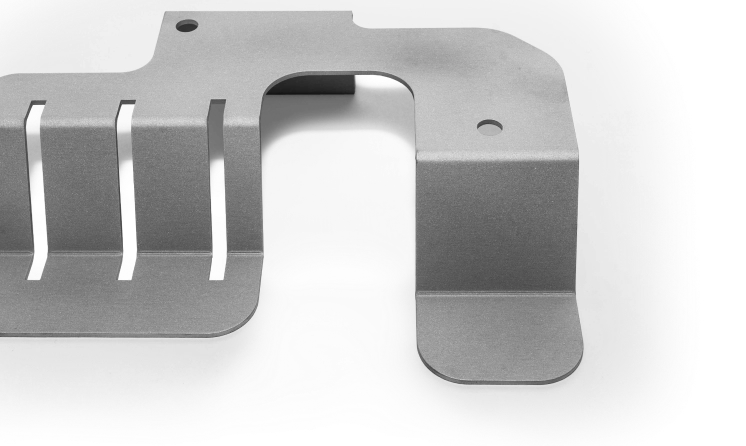
Sheet metal fabrication

Laser cutting, bending, post-processing

  • Tolerances down to ±0.1 mm (±.004 in)

  • Lead times from 5 business days

See our sheet metal fabrication services
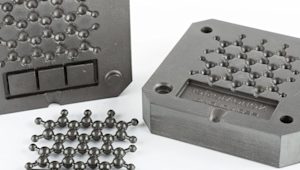
Injection molding Injection molded part
Injection molding

Prototypes and production tooling

  • Wide range of part complexities and sizes

  • 1 to 1M parts

See our injection molding capabilities

Need corrosion protection without adding bulk? Request a free, instant quote and upload your CAD for real‑time pricing on your CNC part.

Get an instant quote