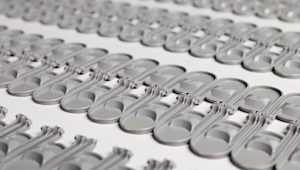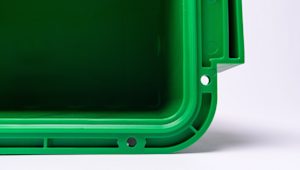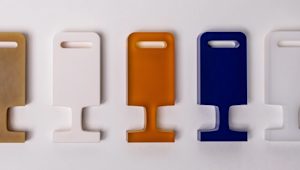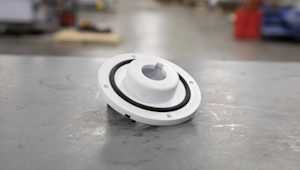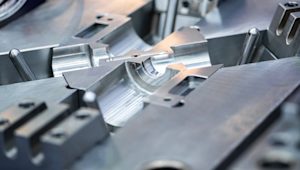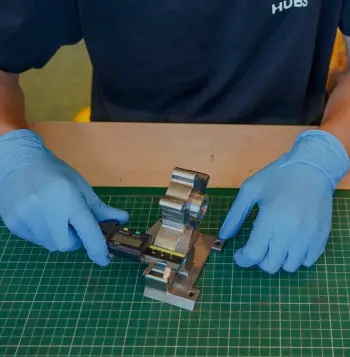
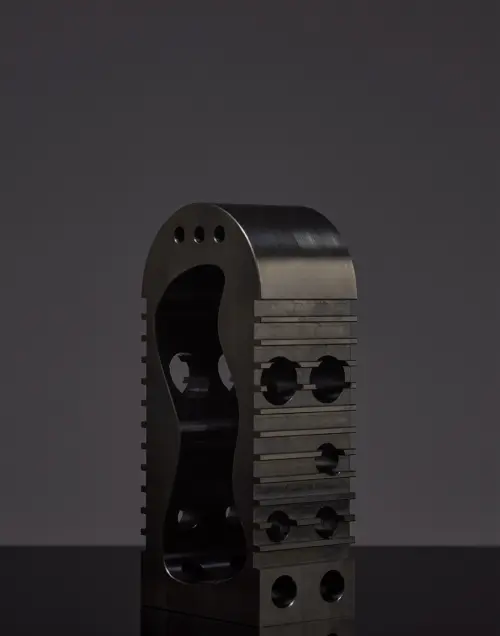



However, for mass production, hard tooling made from hardened steel is the standard. While the initial investment is much higher, steel molds withstand the heat and pressure of millions of cycles. This ensures a lower cost-per-part and tighter tolerances over time.
What is soft tooling?
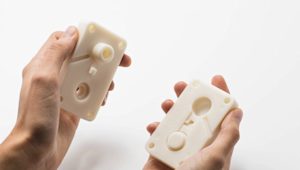
Soft tooling is a flexible prototyping method that uses cost-effective materials like silicone, fiberglass, or aluminum to create molds quickly. Unlike rigid production molds, these materials allow for rapid, iterative testing. This enables engineers to refine a part's geometry or fit without a big investment upfront.
By choosing soft tooling for initial runs, you produce functional prototypes that mimic the final product's properties in a fraction of the time. This flexibility is important for verifying a design's performance before committing to the high costs and long lead times of hardened steel production molds.
Advantages of soft tooling
Soft tooling enables a fast turnaround by reducing production timelines from weeks to days. This guarantees a swift path to the market. Initial costs remain significantly lower than with traditional methods, since the expensive metal molds are replaced by affordable and flexible materials.
Pliable molds easily release complex 3D-printed or cast geometries and undercuts that would be impossible to eject from rigid tooling.
Disadvantages of soft tooling
Soft tooling is limited by a short lifespan of only 25 to 50 parts before the mold begins to degrade. This makes it unsuitable for high-volume manufacturing.
The inherent flexibility of the material also introduces a risk of deformation, which negatively impacts the dimensional precision over repeated use. Low initial costs are offset by high per-unit pricing, making soft tooling inefficient compared to hard tooling as volumes increase.

What is hard tooling?
Hard tooling is a durable production method that utilizes high-strength steel or aluminum alloys to create molds for high-volume injection molding. Rigid metal molds withstand extreme industrial pressures and temperatures, ensuring consistent quality over hundreds of thousands of cycles.
Advantages of hard tooling
The extreme durability of high-grade metals allows these molds to maintain structural integrity throughout massive production runs without degrading. The rigidity of steel and aluminum provides high precision and a dimensional stability. This guarantees that every part remains identical.
Hard tooling offers substantial long-term savings, by providing the lowest cost per part for high-volume and high-quality production.
Disadvantages of hard tooling
Hard tooling requires a big investment, due to the expensive steel and complex machining involved. These projects often face long lead times, sometimes taking several months to complete a single mold.
Once the tools are machined, making design changes is extremely difficult and expensive. Any modification typically requires expensive rework or even building an entirely new mold from scratch. This lack of flexibility makes hard tooling risky for products that might still need design adjustments.
Key factors for choosing a tooling process
Soft tooling offers a rapid turnaround, completing molds in just a few days. It requires a low initial investment, also making it ideal for tight budgets. This method excels at complex geometries and undercuts because the flexible material releases parts easily. However, it is limited to a total production quantity of 25 to 50 parts.
Hard tooling involves a high upfront investment and long lead times of several weeks or months. It uses rigid steel or aluminum, which provides extreme durability for hundreds and thousands of parts. This process offers high precision and the lowest cost per part for large production runs. However, the rigid molds make design changes difficult and expensive once machining is complete.
Longevity and surface finish
Hard tools offer superior durability through high-strength steel or aluminum alloys. These rigid materials can withstand extreme heat and high pressure. They maintain structural integrity and dimensional precision without degrading or warping. This makes hard tooling the standard for massive, high-volume production runs.
In contrast, soft tooling materials like silicone often achieve a smoother surface finish. The silicone liquid completely captures every microscopic detail of a high-resolution 3D-printed master pattern. Because the mold is flexible, it erases the visible machining marks often found on metal tools. This results in a superior aesthetic finish for prototypes and small batches.
Need help choosing between durability or a smooth finish? Contact us today for a custom quote. Upload your CAD file.
Frequently asked questions
What’s the difference between soft tooling and hard tooling?
Soft tooling uses materials such as silicone, fiberglass, or aluminum to create molds quickly and cost-effectively for prototypes and low-volume production. Hard tooling uses durable steel or aluminum molds designed for high-volume manufacturing and long production runs.
When should I choose soft tooling?
Soft tooling is best suited for prototyping, design validation, and low-volume production runs. It offers faster lead times, lower upfront costs, and greater flexibility when design changes are likely.
When is hard tooling the better option?
Hard tooling is typically the best choice for medium- to high-volume production where consistent quality, tight tolerances, and low cost per part are priorities.
How many parts can soft tooling produce?
The lifespan of a soft tool depends on the material and application, but it is generally suitable for small production runs before wear begins to affect part quality.
Why is hard tooling more expensive?
Hard tooling requires precision machining and durable mold materials such as hardened steel. While the upfront investment is higher, the tooling can support significantly larger production volumes.
Which tooling method offers the fastest turnaround?
Soft tooling typically offers the shortest lead times because molds can be produced quickly and modified more easily than hard tooling.
Which tooling method provides better dimensional accuracy?
Hard tooling generally delivers higher dimensional accuracy and repeatability because rigid metal molds resist deformation over extended production runs.
Can design changes be made after tooling is produced?
Design changes are relatively easy and cost-effective with soft tooling. With hard tooling, modifications can be expensive and may require significant rework or a completely new mold.
Which tooling method produces a better surface finish?
Both methods can achieve excellent results, but soft tooling can often reproduce fine surface details exceptionally well, making it a popular choice for prototypes and aesthetic evaluation.
How do I choose between soft and hard tooling?
The decision depends on factors such as production volume, budget, lead time, design maturity, and quality requirements. Soft tooling is typically better for prototypes and low-volume runs, while hard tooling is generally more economical for large-scale production.