
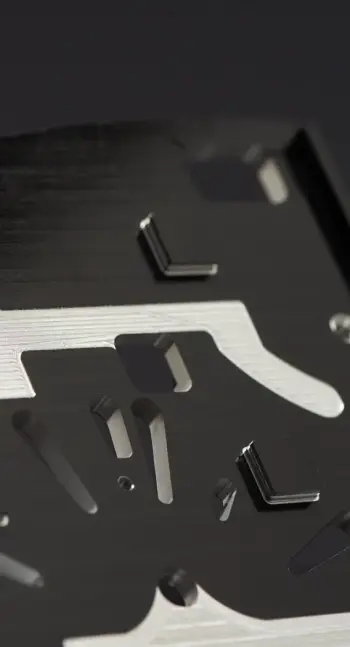
Inserts
Plastic Injection molding service
Get reliable, production-ready plastic injection molded parts, from early-stage prototypes to full-scale production. Protolabs Network connects you to vetted manufacturing partners, with engineering support and scalable tooling options.
Plastic injection molding service overview
Plastic injection molding is ideal for: repeatable, cost-effective production of complex thermoplastic parts.
| Attribute | Details |
|---|---|
| Best for | Medium- to high-volume production |
| Parts | Cosmetic and functional plastic components |
| Molding | Precision molds, complex molds, insert molds, family molds, overmolding molds, single- to multi-cavity molds, and more |
| Mold Materials | Aluminum molds, steel molds |
| Materials | ABS, PC, PP, Nylon, POM, TPU, HDPE, and more |
| Post-processing | Spray painting, pad printing, laser engraving, threaded inserts, machining, and more |
| Finishing | SPI finishes (A1–A3, B1–B3, C1–C3, D1–D3), EDM / VDI textures (VDI 12–45), custom finishes |
| Part tolerances | DIN 16742 or tighter tolerances as specified in your 2D drawings |
| Quality control | Parts inspected according to network quality standards; inspection reports available on request |
| Tooling ownership | Tooling is customer-owned, with ongoing mold maintenance support during production |
| Industry applications | Aerospace, medical, consumer electronics, automotive, and more |
Manufacturing with plastic injection molding
Plastic injection molding is a manufacturing process that creates parts by injecting molten plastic into a precision-machined mold. Once cooled, the part is ejected and the cycle repeats, enabling consistent, high-volume production with tight repeatability.

Post-processing services
We offer a range of post-processing options, such as painting and heat-set threaded inserts. You can request specific post-processing in the Custom requirements field when you submit your quote. Examples include:

Pad Printing
Painting
Silk screening
Ultrasonic welding
Laser engraving
UV coating
Heat staking
Hot stamping
Post-mold machining
Gallery of plastic injection molded products

Engels machines
Industry: Agriculture
Material: PP
Finish: D2

HC groep
Industry: Indoor climate technology
Material: ABS
Finish: as machined

LEKTRI.CO
Industry: EV charging
Material: PC + ABS
Finish: VDI33
Mold options
We offer a comprehensive range of tooling options to support different part designs, material requirements, production volumes, and lead-time needs.
| Tooling Option | Description | Typical Applications |
|---|---|---|
| Precision Mold | Designed for tight tolerances and high-accuracy parts. | Medical components, electronics housings, precision mechanical parts |
| Complex Mold | Supports intricate geometries and advanced part designs. | Automotive components, consumer electronics, complex enclosures |
| Insert Mold | Molds plastic directly around metal or other components. | Threaded inserts, electrical connectors, structural reinforcements |
| Family Mold | Produces multiple different parts in a single mold. | Low- to mid-volume production of related part families |
| Overmolding Mold | Molds one material over another for added functionality. | Soft-touch grips, seals, ergonomic handles |
| 2K & 3K Mold | Enables multi-material or multi-color parts in one cycle. | Buttons, multi-color housings, functional assemblies |
| Multi-Cavity Mold | Produces multiple identical parts per cycle. | High-volume consumer products, caps, connectors |
| High-Temperature Mold | Built for high-temperature engineering plastics. | Aerospace, automotive under-hood parts, industrial components |
| Expedited Mold | Optimized for faster tooling and short lead times. | Prototyping, rapid product launches, urgent production needs |
| Compression Mold | Uses compression to shape material within the mold. | Large parts, thick-walled components, thermoset applications |
| Stack Mold | Uses multiple parting lines to increase output efficiency. | High-volume packaging, thin-walled consumer products |
Plastic injection molding surface finishes
Improve part performance and appearance by selecting the right surface finish. Mold and post-processing finishes can enhance cosmetic quality, surface texture, cleanability, and scratch resistance depending on the material and application. We offer the full range of SPI surface finishes, including polished and matte options such as A-1, D-2, and D-3. Additionally, We also support VDI surface finishes for textured surfaces, including options such as VDI 28, VDI 30, and VDI 33.

Injection molding materials
Injection molding uses a huge range of plastics, making it ideal for many applications across nearly every industry. We can source thousands of materials on request. Please contact networksales@protolabs.com for specific material requests.
| ABS | PC | PP |
| Nylon (PA) | POM | TPU |
| TPE | HDPE | LDPE |
| PMMA | PBT | HIPS |
| PPS | PEEK | PEI |
| PET | LCP | PC/ABS |
| PA GF10–50 |
Plastic injection molding design guidelines
Plastic injection molding projects typically fall into two classes: prototype/bridge tooling and production tooling. These are common design and part capability guidelines, final specs depend on geometry, material, and tool design.
| Metric | Prototype / Bridge Tooling | Production Tooling |
|---|---|---|
| Tolerances | DIN 16742 or tighter tolerances as specified in your 2D drawings | DIN 16742 or tighter tolerances as specified in your 2D drawings |
| Draft Angles | ≥ 0.5° | ≥ 1° |
| Undercuts | Manual / Automatic | Automatic |
| Wall Thickness | ≥ 0.8 mm | ≥ 0.8 mm |
| Radii (Fillets) | ≥ 0.2 mm | ≥ 0.2 mm |
Looking for design tips? Moldability-focused design can reduce tooling complexity, shorten lead times, and lower part cost.
Learn more in the Protolabs Design Toolkit
Quality and accuracy
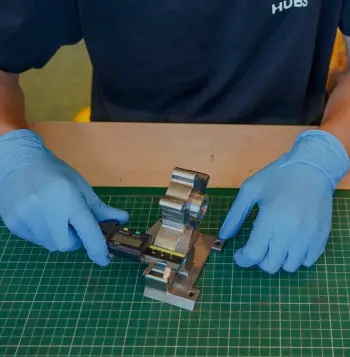
We manufacture plastic injection molded parts according to strict manufacturing standards. All parts and processes follow The Protolabs Network Standard to ensure consistent quality and repeatability.
-
Each part is inspected on site by our manufacturing partners in line with our quality guidelines.
-
Inspection reports and additional quality documentation are available on request to support compliance and application-specific requirements.

Specialist industries
We’ve manufactured millions of parts for all sorts of applications, but we’re especially knowledgeable in these areas.
Aerospace & aviation


Aerospace & aviation
Aerodynamic parts for aircraft, drones, satellites and rockets with AS 9100 certification.
Read more
Medical

Medical
Create custom medical devices and diagnostic equipment to get healthcare innovations into hospitals and homes.
Read more
Consumer electronics

Consumer electronics
Manufacture parts requiring highly cosmetic features for gaming, audio, video and smart home products.
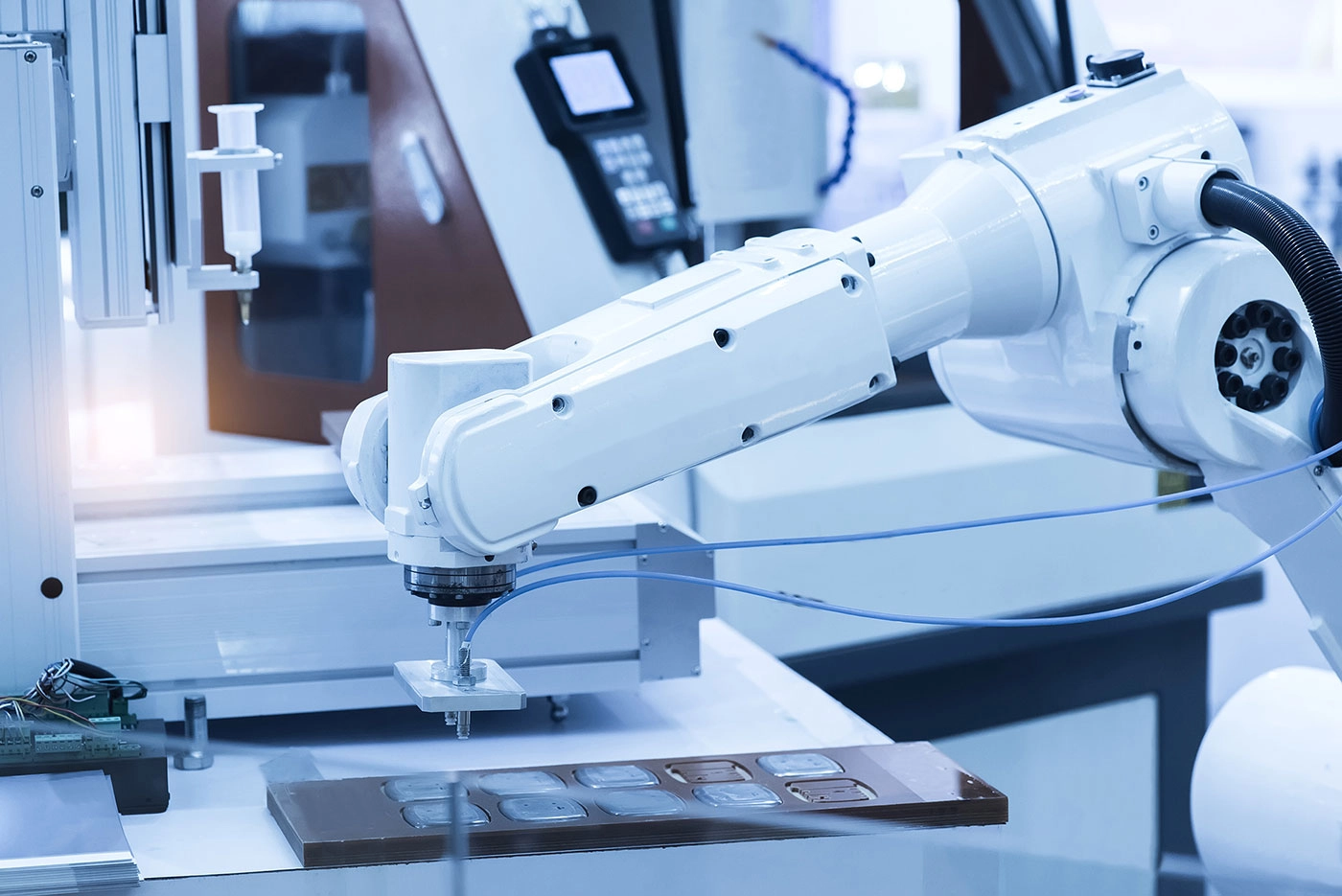
Robotics & automation
Robotics & automation
Produce complex robotic systems, end effectors and automated machinery for this innovative industry.
Read moreFAQ's about plastic injection molding service
What are plastic injection molded parts used for?
Plastic injection molded parts are used in automotive, medical, industrial, aerospace, and consumer products due to their consistency, durability, and scalability.
Can you support medical-grade or food-grade plastics?
Yes. Material availability depends on performance and compliance requirements. Share your requirements during quoting to confirm options.
What post-processing can be used for injection molded parts?
Common options include spray painting, printing, laser engraving, plating, machining, inserts, welding, and assembly, with additional advanced finishes available.
How accurate are injection molded parts?
Injection molding can be very repeatable once stabilized. Final tolerances depend on material shrinkage, geometry, tooling design, and quality requirements.
What defects can occur in injection molding?
Typical defects include flash, sink marks, warpage, and weld lines. Design and tooling optimization reduce defect risks.
What does plastic injection molding cost?
There are many factors that determine the cost of injection molding your custom parts. The three main expenses are tooling, materials and production. Find out how to reduce your manufacturing costs in our injection molding guide.